


It is possible that as a buyer, you may discover problems related to the drainage of your new property. This defect could be considered a latent defect.
Here are some situations from Quebec judgments where buyers have found themselves in such a situation.
French Drain Problems
Legal warranty
After purchase, if you encounter water infiltration problems due to the French drain which is defective, you could have recourse for hidden defects. To be entitled to the legal warranty provided for in article 1726 of the Civil Code of Quebec, the defect encountered must be serious, hidden, present at the time of the sale and unknown to the buyer.
Thus, as the case demonstrates Provencher v. Perreault , the court could refuse to grant an action for latent defects related to a drainage problem related to the French drain if only minor water infiltration has been found. Indeed, a slight infiltration does not meet the criterion of seriousness required to qualify a latent defect within the meaning of the Civil Code.
Reasonable buyer
As a buyer, you should exercise caution and diligence when acquiring a property, acting as a reasonable buyer would.
For example, if you buy a house built in the 1950s and then discover a drainage problem related to the French drain, the court could dismiss your claim for latent defects. Indeed, a reasonable buyer would have anticipated that a drain replacement is necessary, since it is subject to wear and tear over time. This defect would then be qualified not as a latent defect, but as simple normal wear and tear.
Improper installation of the French drain
You will be able to take recourse against the seller if you notice after the sale that the French drain was poorly installed, causing, for example, water infiltration, mold or major cracks in the walls of the foundation.
In particular, you could claim the costs of replacing the French drain, which includes the excavation work necessary to remove the French drain and install a new one.
This is precisely what the buyers did in the case Massé v. Wheelwright , after discovering that the property’s French drain was improperly installed. They found that there were no crushed stones around the drain, as it rested directly on sand, which caused the drain to collapse and compromised the operation of the drainage system. This failure caused water to seep into the basement. The buyers therefore sued for damages to cover, among other things, the costs related to the complete replacement of the French drain.
Water infiltration through the foundations
Legal warranty
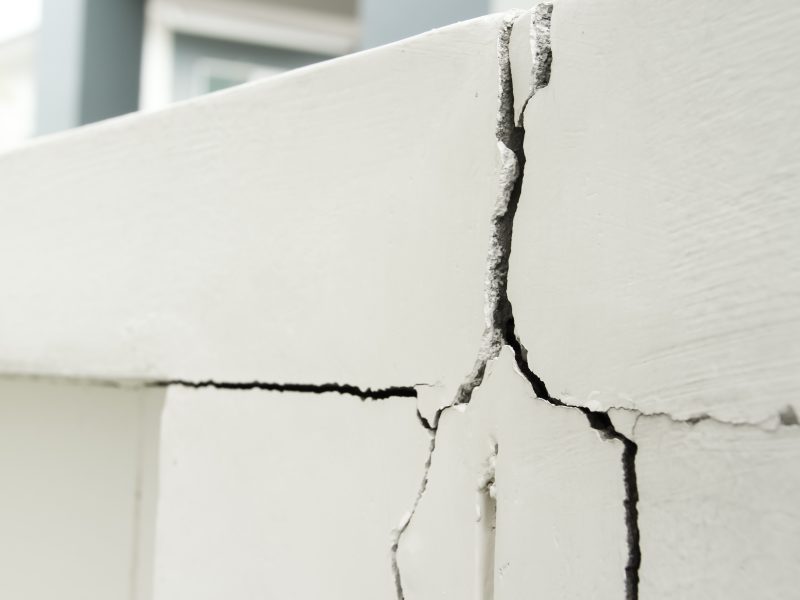
You could also file a claim for latent defects based on cracks in the foundation leading to water infiltration.
This is the case in the case Levitt v. Zukerman , where buyers sued their seller following the purchase of their home, after discovering cracks in the foundation of a wall. These cracks led to water infiltration into the basement.
The defects observed met the criteria for latent defects, thus allowing recourse to the legal warranty provided for by the Civil Code. They were serious, since they caused significant water infiltration, prior to the sale, unknown to the buyers and hidden, since they were only visible after the walls had been opened. As a result, the buyers were able to obtain reimbursement of the costs incurred for the repair of the foundations.
Prudent and diligent buyer
However, you should exercise caution as a reasonable buyer would in the same circumstances. You should use a pre-purchase inspector if you have doubts about the presence of hidden defects before the purchase and follow his or her recommendations if necessary.
For example, in the case Cyr c. Kurtz, a buyer brought an action against the seller on the basis of latent defects. More specifically, these are cracks in the foundation that have caused water to infiltrate the basement. Unfortunately, his action for latent defects was not accepted by the court, since the latter qualified the defect as apparent.
In fact, a pre-purchase inspection had been carried out prior to the sale, where the inspector had advised the buyer in his inspection report of the presence of apparent defects such as cracks and water stains. He also recommended that he call in an expert for a more in-depth analysis of the defects. However, the purchaser did not act on the recommendations by calling in an expert, which led the court to conclude that she had not acted as a prudent and diligent purchaser. His action was therefore dismissed.
In short, drainage and water infiltration problems related to the French drain or foundations can, in some cases, be considered as hidden defects. It all depends on the severity of the defect, its hidden nature and the diligence of the buyer.
If, despite all your precautions, you discover a latent defect affecting the drainage or foundation of your home, our team of lawyers specializing in real estate litigation is there to support you and defend your rights. Do not hesitate to contact us in case of a dispute.